Wellness spaces are designed to help people relax, recharge, and step away from the distractions of everyday life. Whether the setting is a spa, meditation room, massage studio, yoga space, or private wellness suite, the surrounding environment can strongly influence how comfortable and calm a person feels. Smart home and home theatre installation can support this atmosphere by giving owners greater control over lighting, sound, temperature, displays, and other environmental features. When these systems work together smoothly, they can create a more consistent and immersive experience without requiring constant manual adjustments.
Using Smart Lighting to Support Relaxation
Lighting has a major effect on mood, making it one of the most useful smart features in a wellness environment. Bright overhead lighting may be appropriate for cleaning or preparation, while softer, warmer lighting can create a more soothing atmosphere during treatments or relaxation sessions. Working with a provider such as Paradise Systems can help wellness spaces integrate lighting controls with other connected technologies for a more coordinated experience. Preset scenes can make it easy to switch between different settings for massage, meditation, yoga, consultation, or closing procedures.
Creating a Calming Sound Environment
Sound is another important element in wellness spaces. Soft music, nature sounds, guided meditation, or ambient audio can help reduce distractions and create a more peaceful atmosphere. Integrated audio systems can distribute sound evenly throughout a room without relying on portable speakers or visible wiring. Zoned controls can also allow different areas to play separate audio at appropriate volume levels. This is especially helpful in larger wellness facilities where treatment rooms, waiting areas, and relaxation lounges may require different sound environments.
Supporting Visual Wellness Experiences
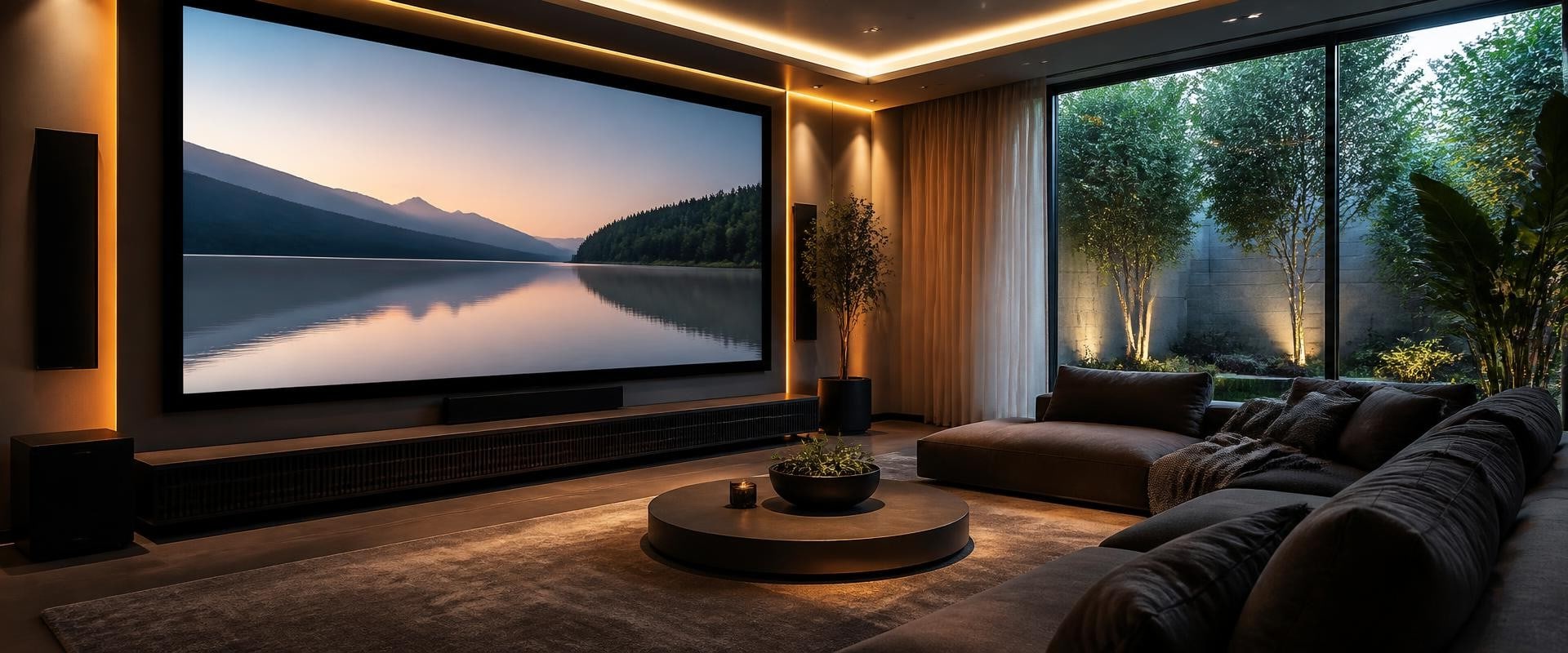
Home theatre-style display technology can also be adapted for wellness purposes. Large screens or discreetly installed displays may be used for guided meditation, scenic imagery, breathing exercises, virtual landscapes, or instructional wellness content. In yoga or movement spaces, displays can provide guided classes or educational videos when an instructor is not present. Proper placement and integrated controls can help ensure that technology enhances the environment instead of becoming visually distracting.
Maintaining Comfortable Temperatures
Temperature plays an important role in relaxation, particularly during massage, meditation, or longer wellness sessions. Smart thermostats and climate controls can help maintain consistent temperatures throughout the day. Different rooms may also require different settings depending on their purpose. For example, an active yoga area may need cooler conditions than a quiet treatment room. Automated schedules can help prepare rooms before appointments while reducing unnecessary heating or cooling when spaces are unoccupied.
Automating Shades and Natural Light
Natural light can make wellness spaces feel open and inviting, but too much sunlight can create glare or unwanted heat. Motorized shades allow staff to manage light levels without interrupting a session. Automated controls can adjust window coverings based on the time of day or the type of service being provided. Darker settings may support meditation or audiovisual experiences, while partially open shades can bring natural light into lounges and reception areas.
Simplifying Control for Staff
Wellness environments benefit from technology that is easy to operate. Centralized smart controls can allow staff to manage lighting, audio, displays, climate settings, and shades from one interface. Preset scenes can reduce the number of adjustments required before each appointment. This helps employees prepare rooms quickly and maintain consistency throughout the day, even when different staff members are using the space.
Reducing Unnecessary Distractions
Technology in a wellness environment should feel supportive rather than complicated. Hidden speakers, discreet displays, automated lighting, and simple controls can reduce visual clutter and help maintain a peaceful design. Smart automation can also prevent staff from repeatedly entering rooms to adjust lights, music, or temperature during a session, helping guests enjoy a more uninterrupted experience.
Creating a More Complete Wellness Experience
Smart home and home theatre installation can help wellness spaces combine comfort, ambiance, convenience, and technology in a subtle way. By coordinating lighting, sound, displays, temperature, and natural light, owners can create environments that feel calm and carefully designed. When these systems are integrated thoughtfully, technology becomes less noticeable while still improving the overall experience, allowing guests to focus more fully on relaxation, recovery, and personal well-being.